Art Laboratory Berlin at Long Night of Science (Berlin Dahlem)
Collaborative Art Science Projects with the Rillig Lab | Ecology of Plants (FU Berlin)
Art Laboratory Berlin is thrilled to participate in the Long Night of Science 2026 together with its long-standing partner, the Rillig Lab | Ecology of Plants, Institute of Biology, Freie Universität Berlin. Please drop by our stand at Königin Luise Str 12/14, 14195 Berlin Dahlem, at the Institute of Biology, Freie Universität Berlin (5 – 10 pm). You can enjoy printed matter, publications, and other material about our collaborative art science research projects and also talk to us in person.
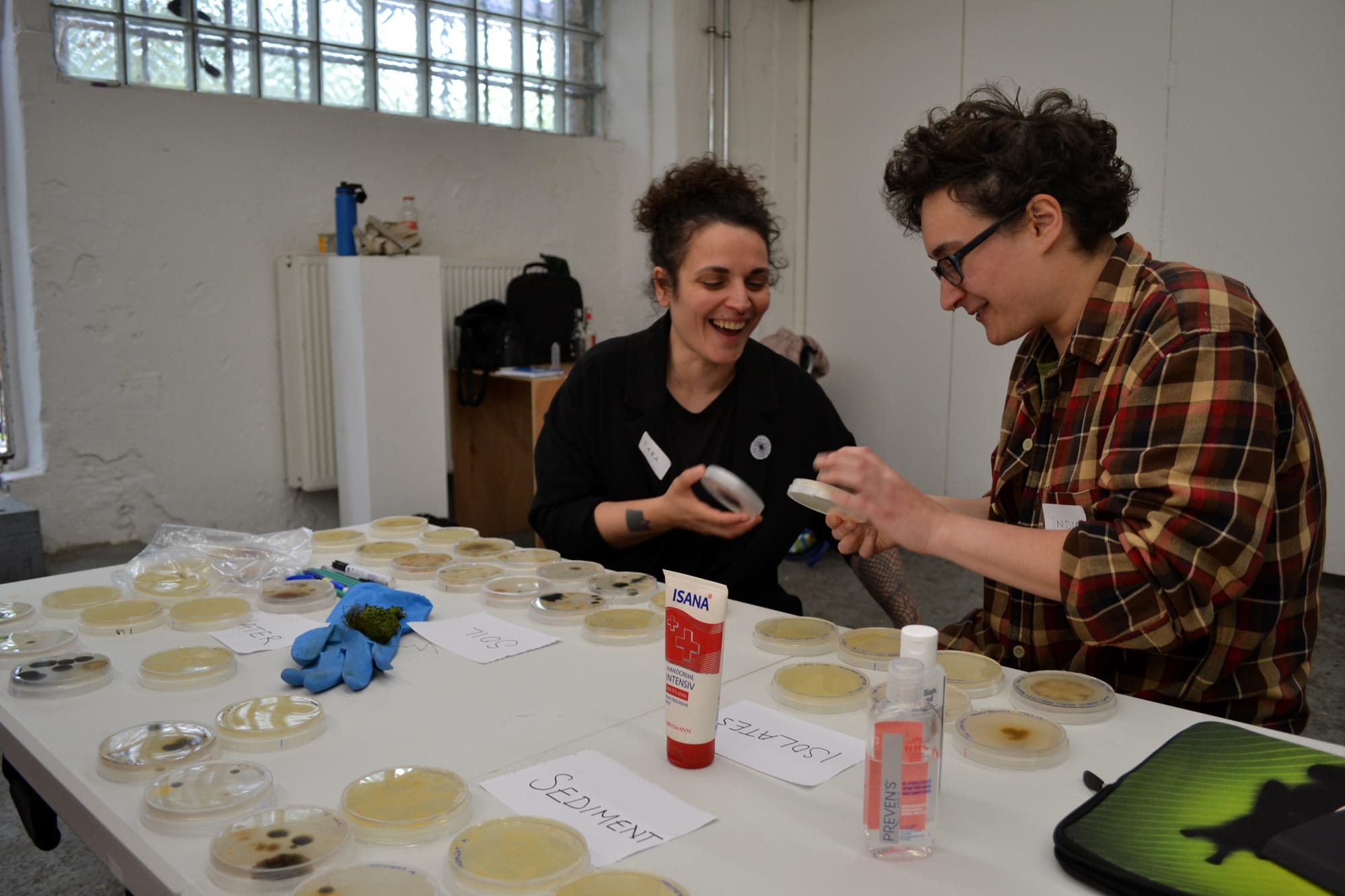
Founded in 2006, Art Laboratory Berlin (ALB) is an award-winning, non-profit art and research platform dedicated to the intersection of art, science, and technology. For more than a decade, ALB has cultivated a uniquely productive partnership with Prof. Matthias Rillig and his team – a collaboration rooted in shared curiosity about soil ecology, biodiversity, symbiosis, and the pressing environmental transformations of our time. This ongoing relationship has generated a remarkable series of projects.
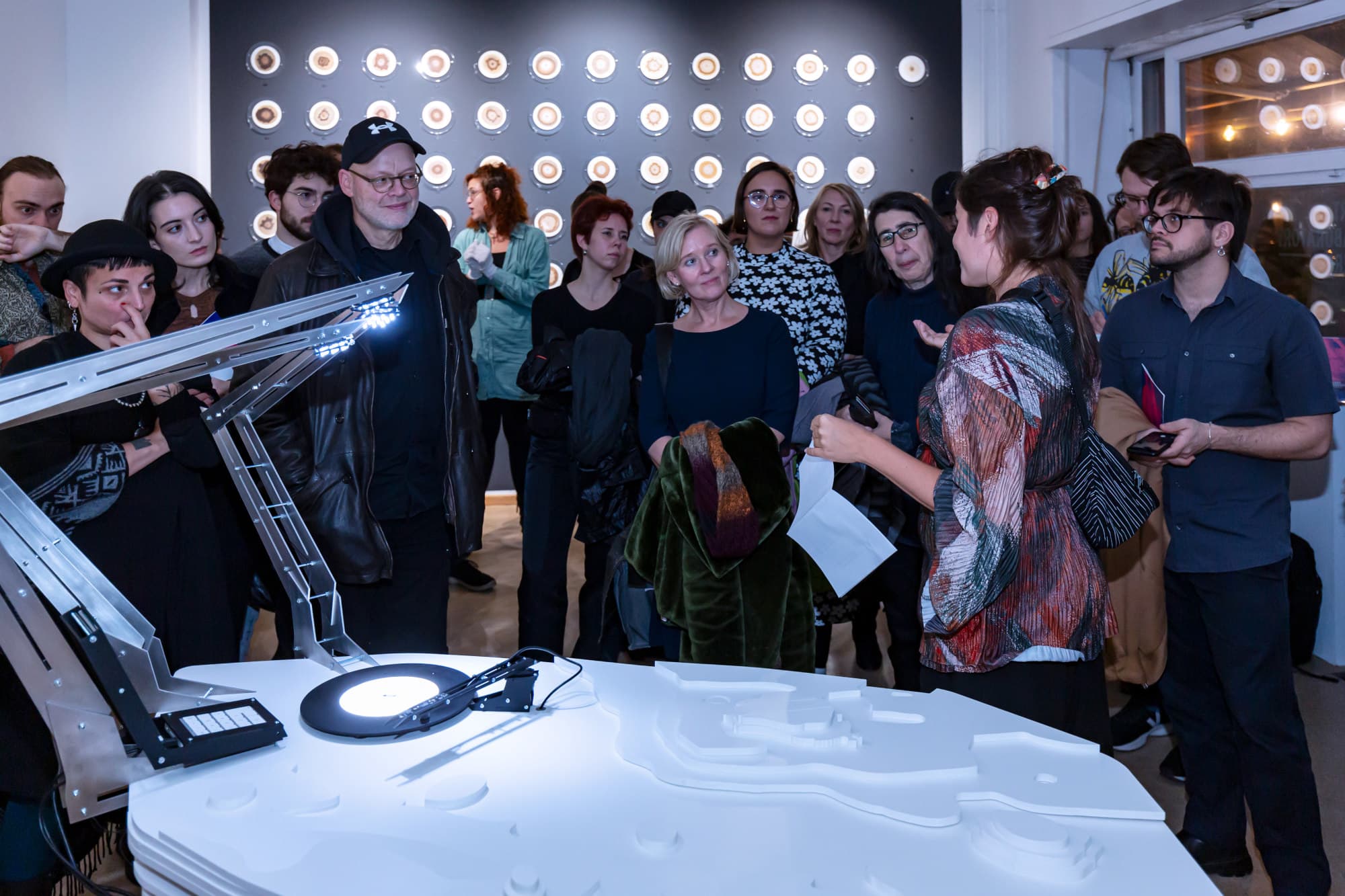
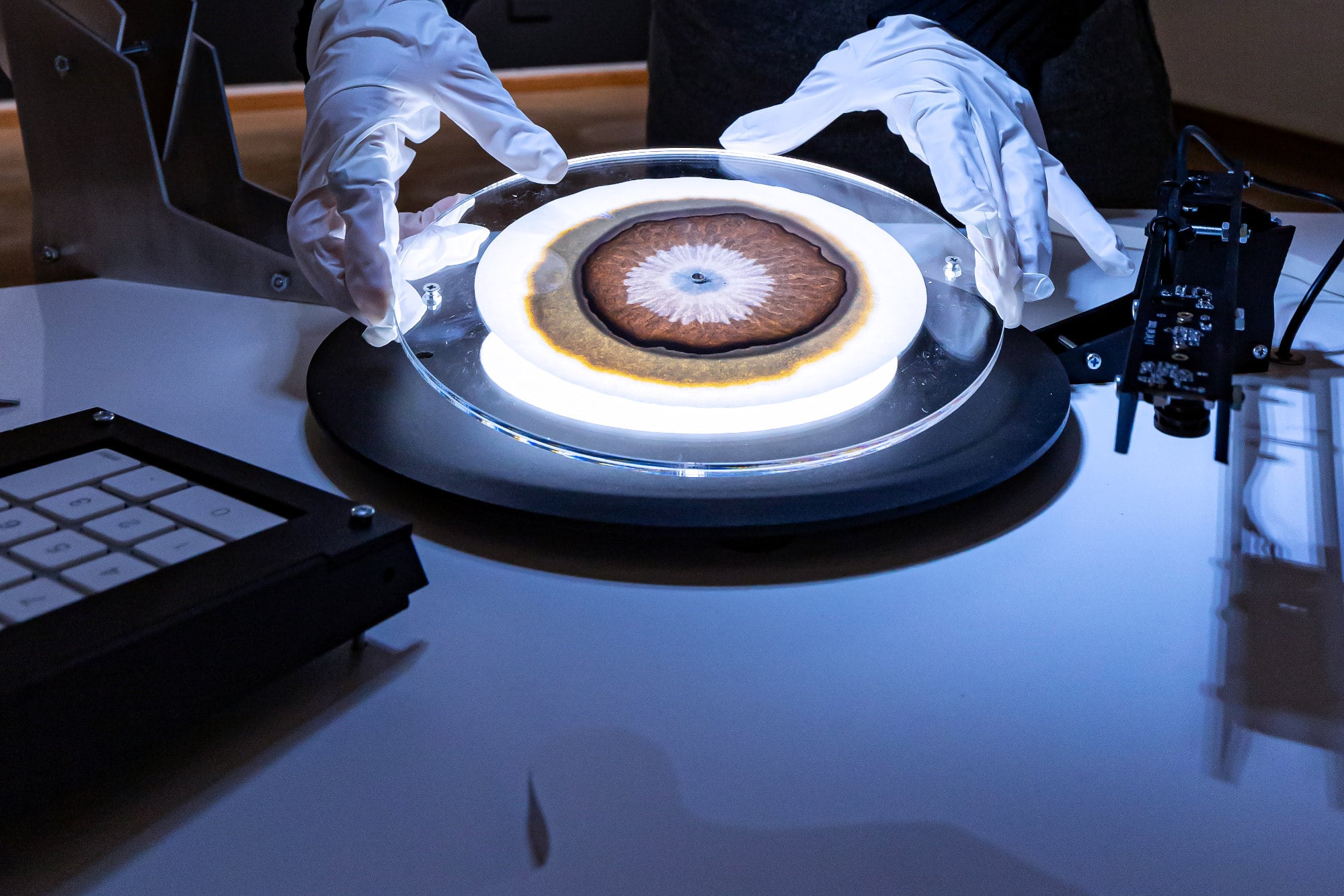
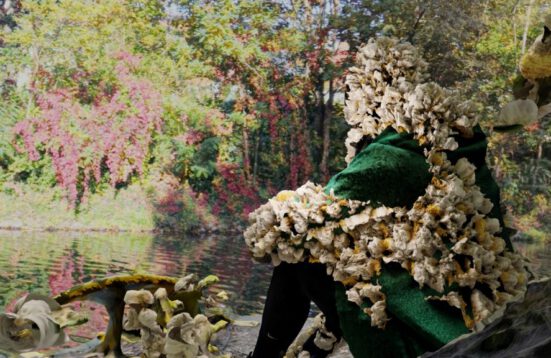
As early as 2019, Slovenian bio-media artist Saša Spačal conducted an artistic residency at the Rillig Lab, exploring interspecies entanglements and the symbiosis of mycorrhizal fungi with plants – research she deepened in a second residency in autumn 2022, curatorially accompanied by Art Laboratory Berlin and presented as a solo exhibition TERRA XENOBIOTICA at Art Laboratory Berlin in 2023/24.
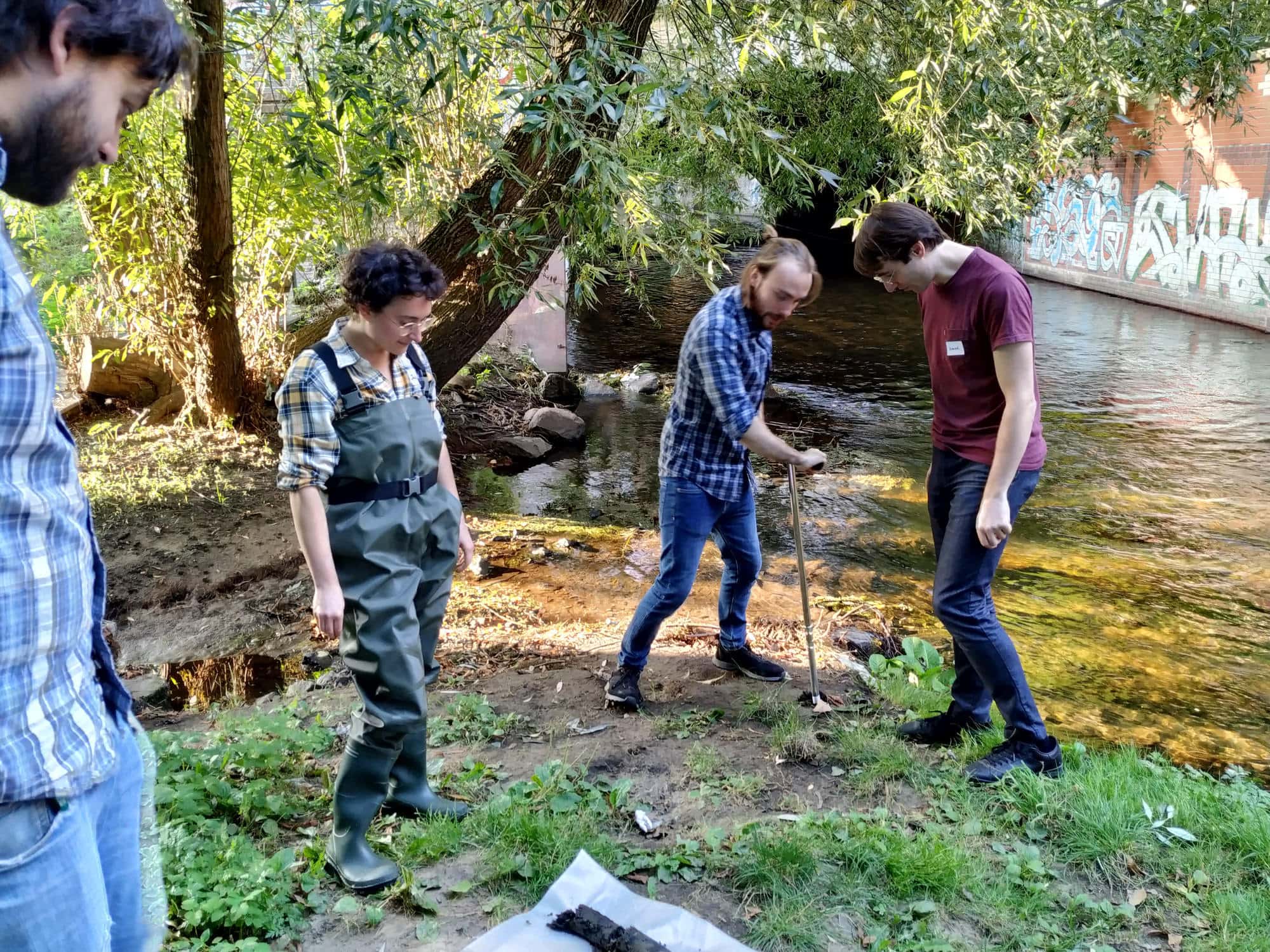
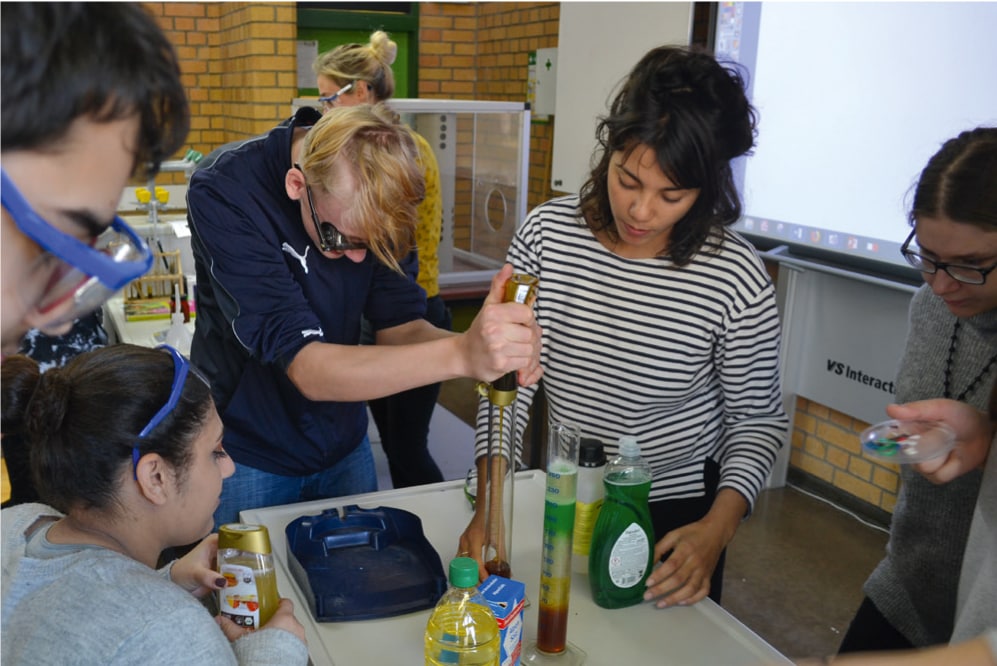
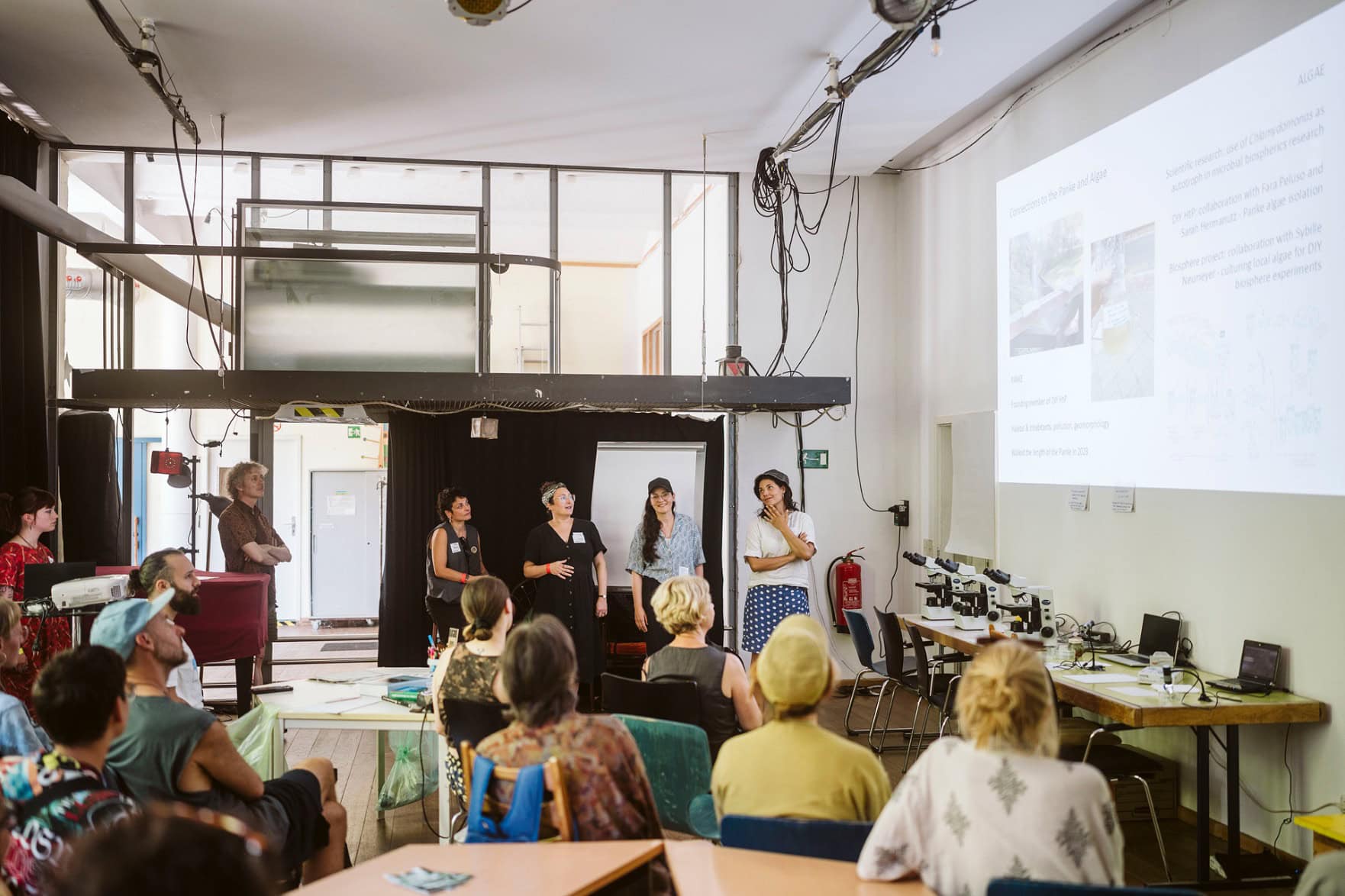
The art-science research group DIY Hack the Panke, founded in 2018 and co-initiated by ALB, has brought together artists, microbiologists, and ecologists (including scientists from FU Berlin) to investigate the ecology, microbiome, and complex history of Berlin’s river Panke through public workshops, walks, and artistic experiments. This collective energy flowed into the network and festival Matter of Flux (2023), a four-day festival and exhibition celebrating women and FLINTA* in art, science, and technology, and the festival Bodies of Water (June 2025), co-organised with DIY Hack the Panke and with the Rillig Lab as a cooperation partner, exploring urban waterways through art, science, and storytelling.
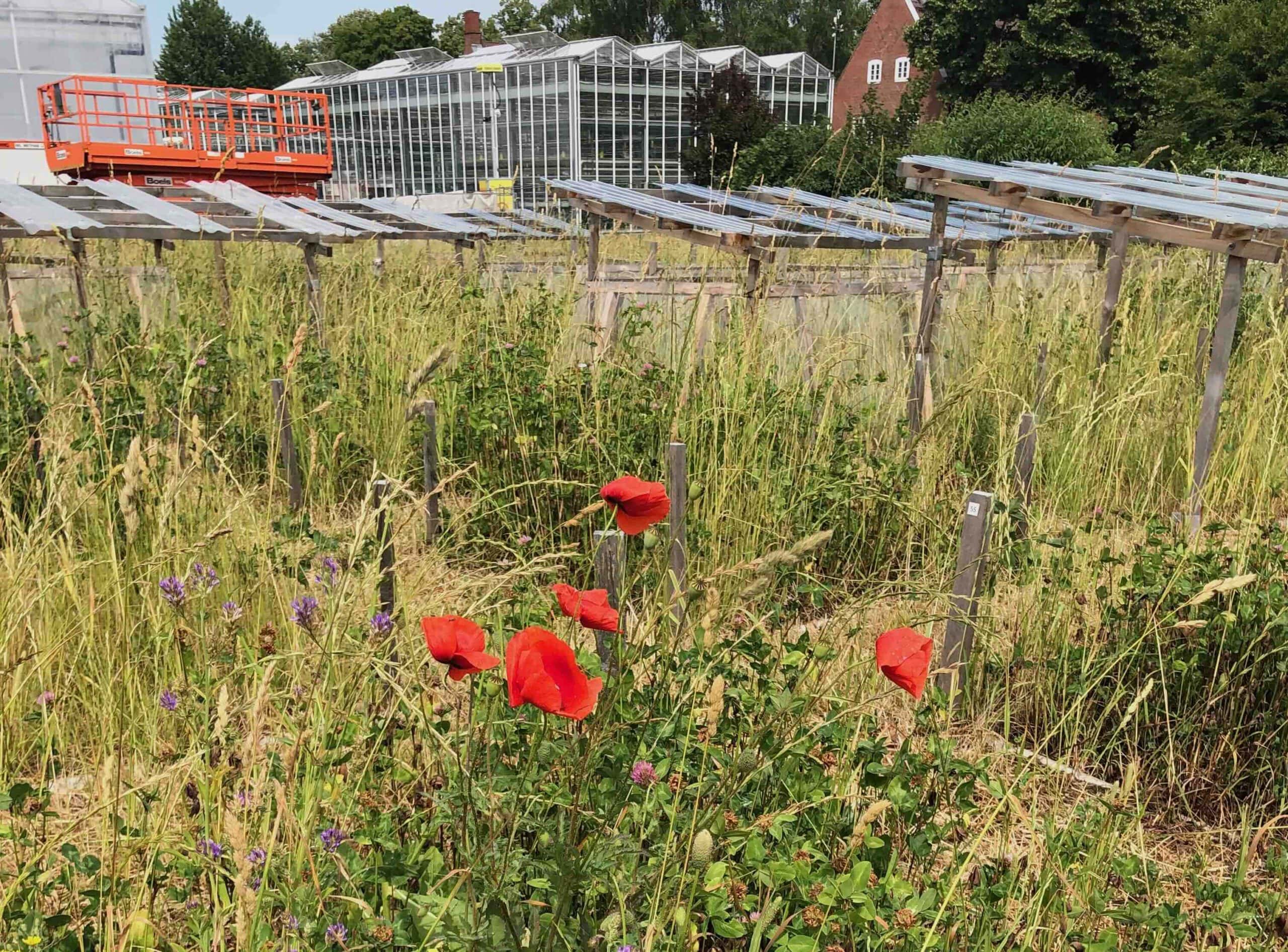
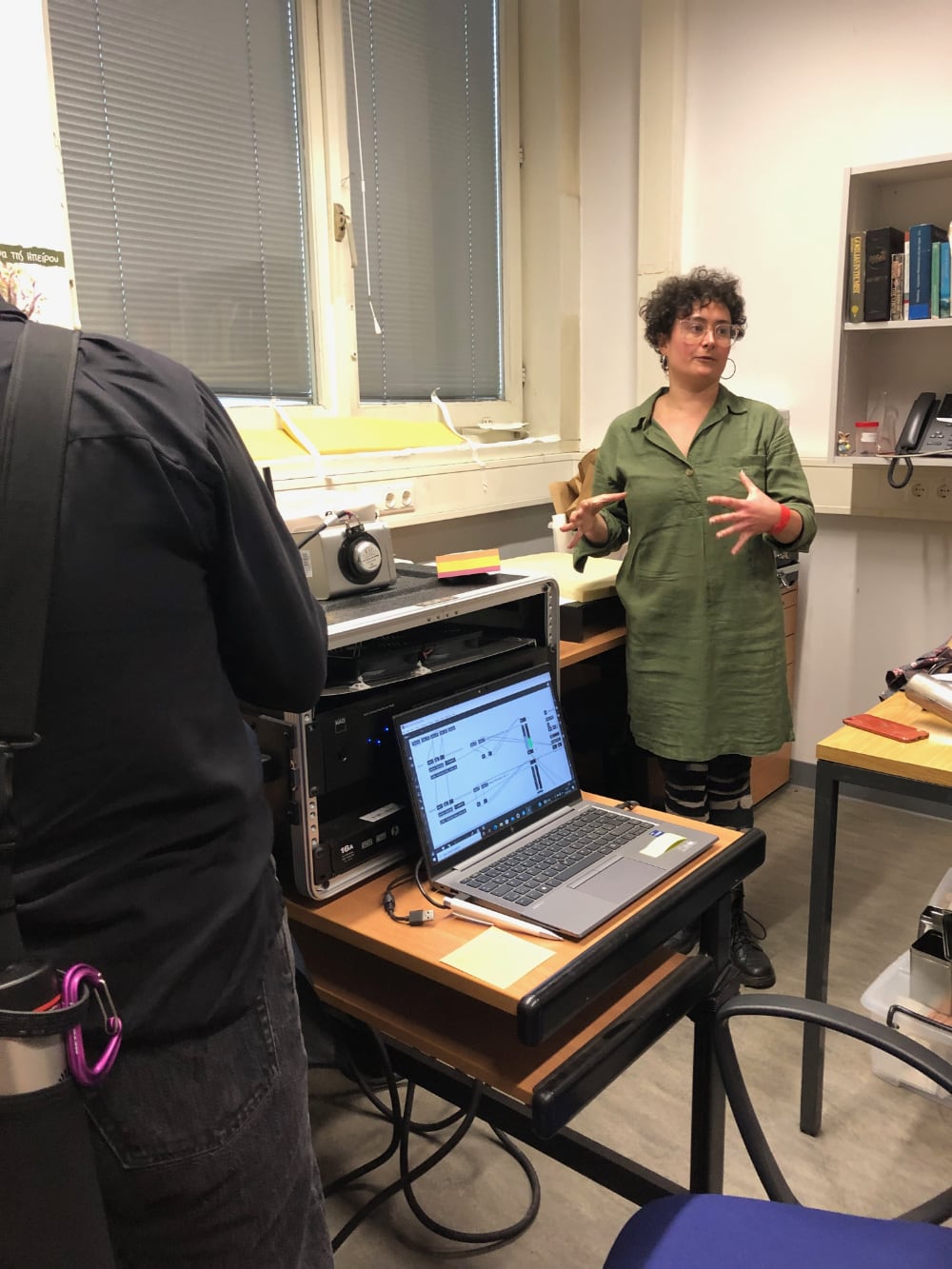
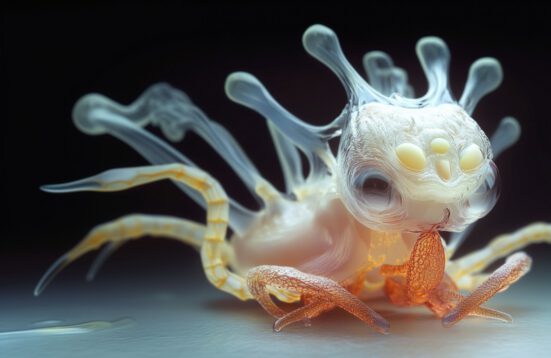
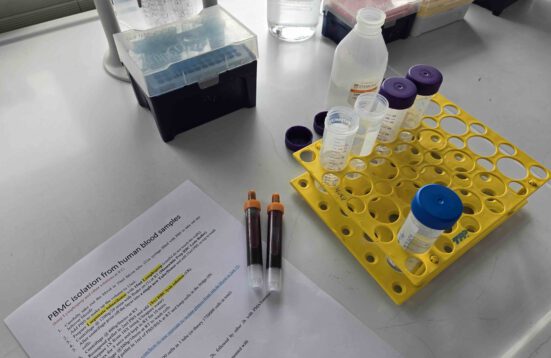
The current chapter of this collaboration unfolds within CHRYSALIS. Artists in Labs (2025/26), ALB’s innovative artist-in-lab residency programme supported by Lottostiftung Berlin. Artist Helena Nikonole is currently in residence at the Rillig Lab, bringing her machine-learning practice into dialogue with the lab’s metagenomic soil-ecology research, asking how life might speculatively emerge and evolve under conditions of global change. Artist Sybille Neumeyer’s CHRYSALIS art residency was based on her long term collaborative research with the Rillig Lab, centering around the Global Change Experiment and biospheric research, both examining the impact of multiple ecological changes on soil communities. At the Long Night of Science 2026, Art Laboratory Berlin will also present material of additional artists, related to the Rillig Lab – such as artist and researcher Karine Bonneval as well as artist and environmental scientist Marcus Maeder.
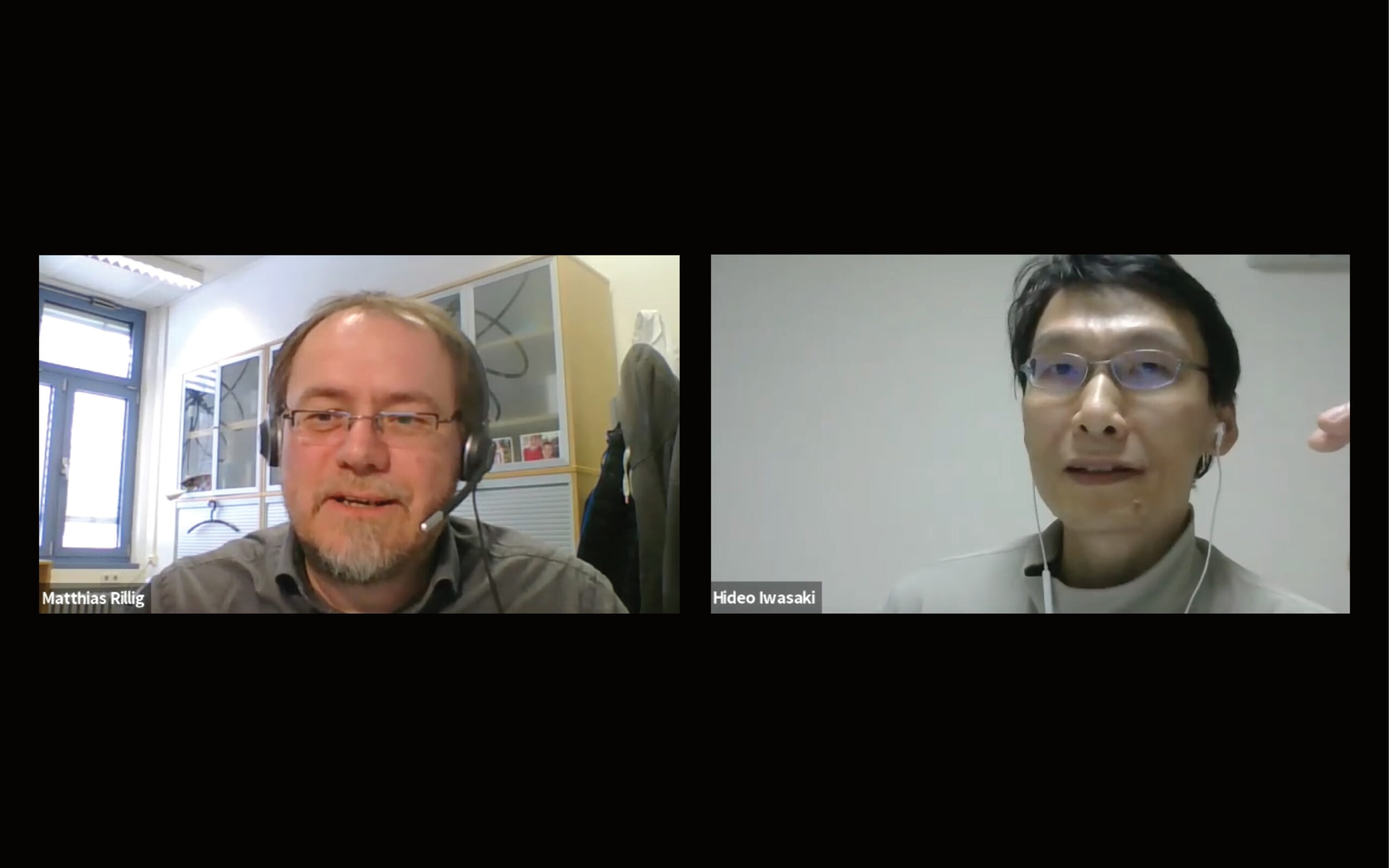
At the invitation of Prof. Matthias Rillig (FU Berlin), Regine Rapp and Christian de Lutz from Art Laboratory Berlin contributed to the paper Ten simple rules for hosting artists in a scientific lab, published in 2021 in the journal Plos Computational Biology, forming the framework for these residencies. Beyond being open, one of the several recommendations in this paper was “Be curious about and understand each other’s holism”, which Art Laboratory Berlin considers key.
At the Long Night of Science 2026, Art Laboratory Berlin and the Rillig Lab warmly invite visitors to discover what happens when artistic speculation meets scientific observation – and how soil, fungi, rivers, and data can become the shared language of art and ecology.
Venue
Freie Universität Berlin, Institute of Biology,
Königin Luise Str 12/14, 14195 Berlin
(close to Botanical Garden)
Date and time
Sat, 6 June 2026, 5 – 10 pm
ENTRY
Everyone is welcome.
Please purchase a ticket for LNDW, information HERE.
CURATED BY
Regine Rapp & Christian de Lutz
ORGANISING Team
Regine Rapp, Christian de Lutz,
Amandine Hong-Minh, Giulia Marsigli
Cooperation partner
RILLIG LAB | Ecology of Plants, Institute of Biology, FU Berlin
Supported by

Part of the research project:
Related
CHRYSALIS. ARTISTS IN LABS
- Berlin-based Artistic Research in Science and Technology
- With Helena Nikonole, Julius Holtz, Margherita Pevere, Marcus Maeder
ALB is initiating artist-in-lab residencies for internationally recognized, Berlin-based artists, supported by Lottostiftung Berlin. The new project is an interdisciplinary exchange between art and science in Berlin science laboratories at all three universities of Berlin, the University of the Arts Berlin, and the Charité. We expect strong outcomes in transdisciplinary knowledge transfer, artistic research, and critically highlighting 21st-century innovations.
Read more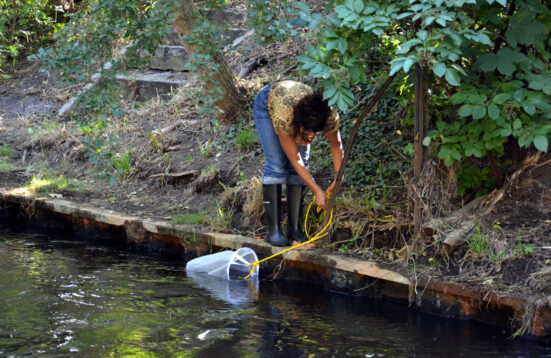
DIY Hack the Panke
- Art + Science Research Group
The art science group DIY Hack the Panke aims to explore the Panke river for living organisms and critically examine its complex history of human use. We offer public workshops on topics such as river flora, fauna and microbiology; bio matter as artistic research; microplastics and more.
Read more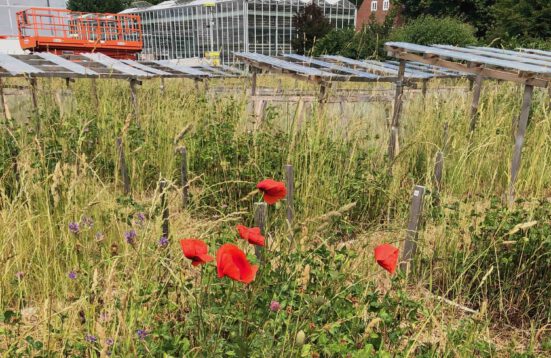
ART SCIENCE MEET UP
- Research Exchange and Get-Together
- With Fara Peluso, Jemma Woolmore, and Matthias Rillig
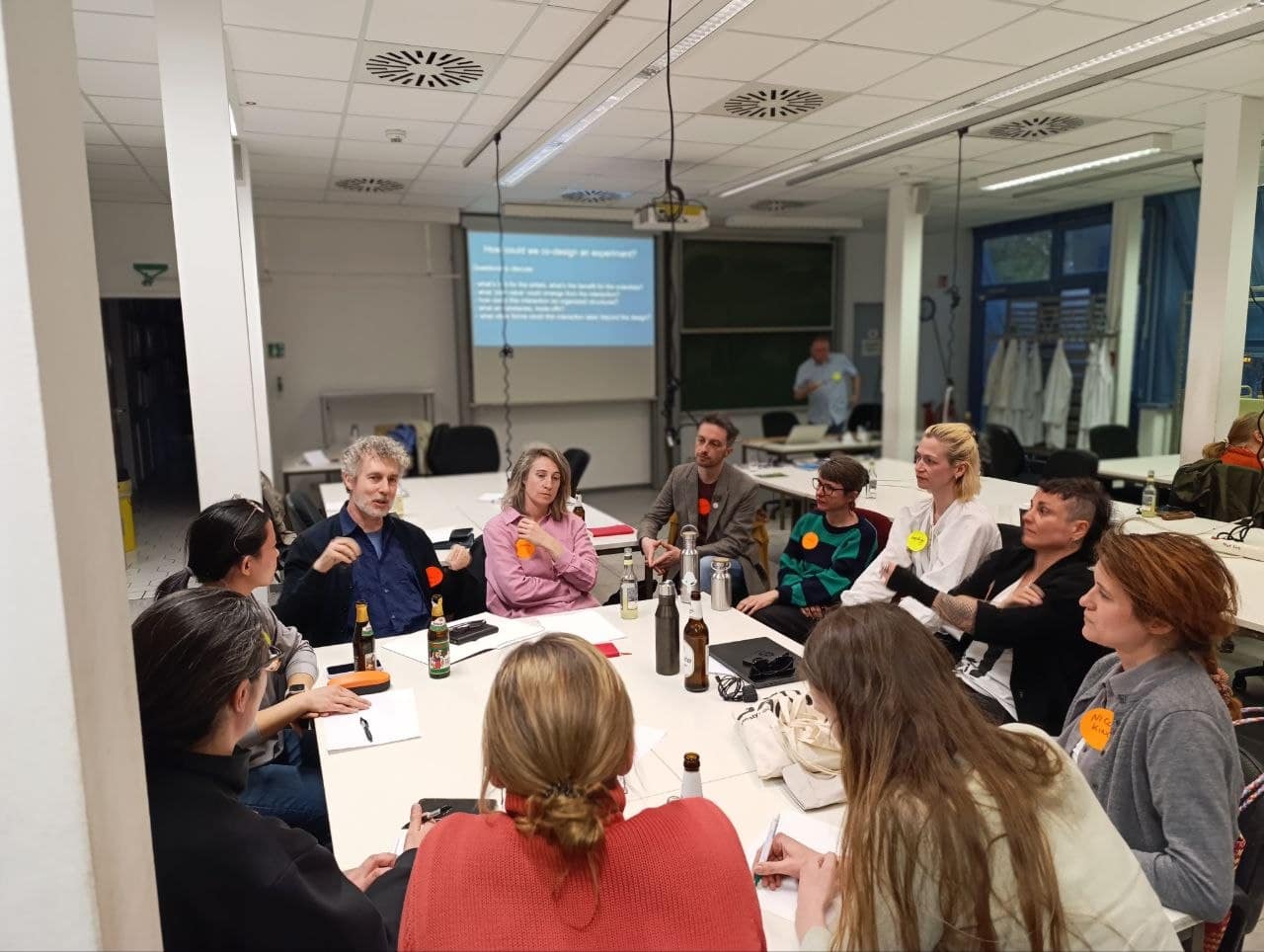
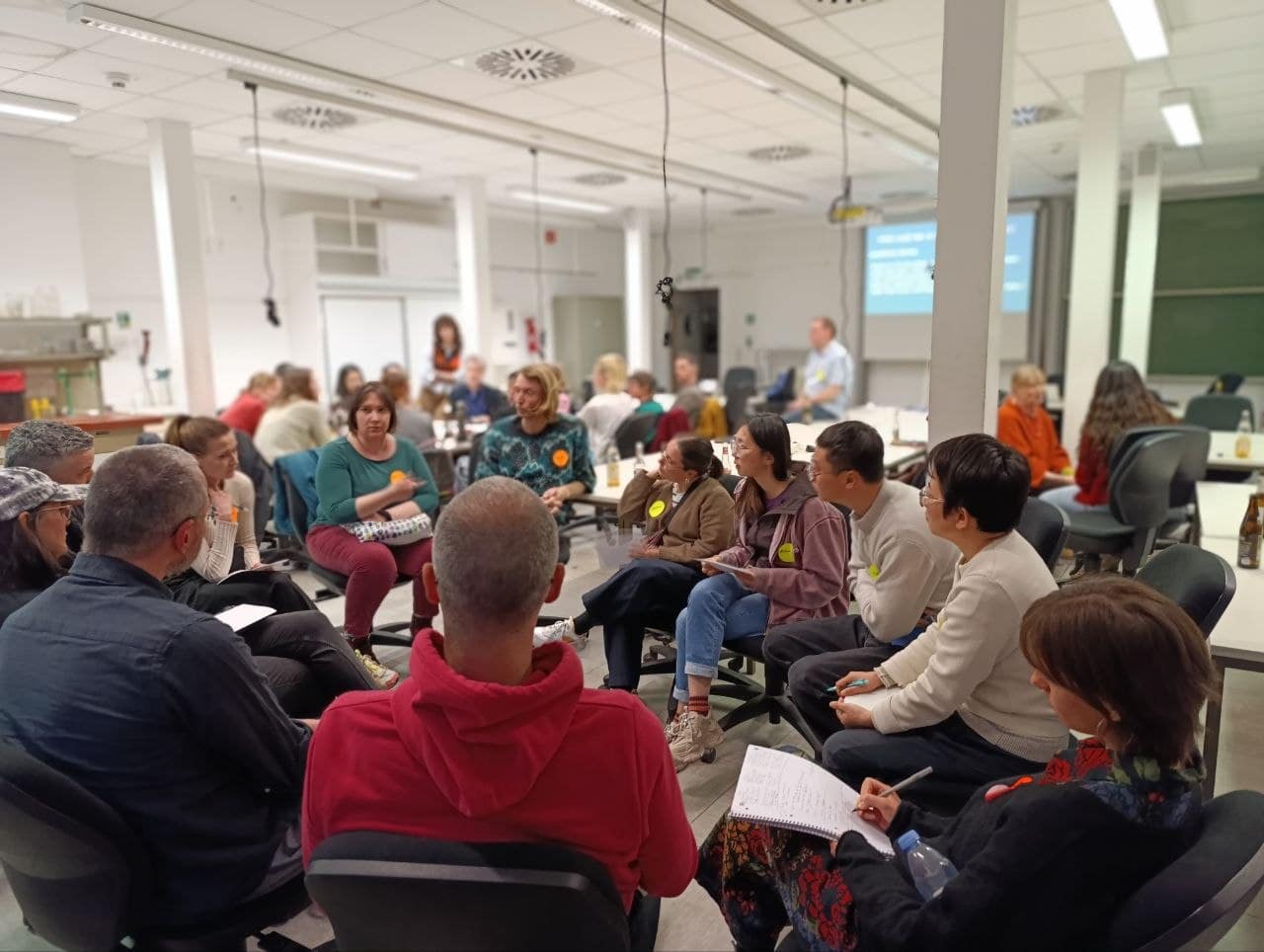
Art Laboratory Berlin and the Rillig Lab host another Art Science Meet Up. The public session features interdisciplinary talks on soil, pollution, and global ecological change. A later brainstorming session invites artists and scientists to collaboratively design experiments, followed by group discussion and informal networking across art, science, and environmental research contexts today.
Read more