ART SCIENCE MEET UP
Research Exchange and Get-Together
With Fara Peluso, Jemma Woolmore, and Matthias Rillig
Welcome to the next Art Science Meet Up on Wed, 29 April 2026, organised by Art Laboratory Berlin and the Rillig Lab, Ecology of Plants, FU Berlin. The upcoming meet up will take place at the Rillig Lab (Altensteinstraße 6, 14195 Berlin) and is divided in two parts: The first part (6 – 7:30 pm), open to everyone, will present current research projects by artists and scientist. The second part (7:45 – 9:15 pm) invites interested artists and scientists to come together to brainstorm about possible forms of collectively setting up a science experiment. Event is fully booked, the registration is now closed!
Art Science TALKS
6 – 7:30 pm (open to everyone)
Three presentations will highlight current interdisciplinary research: Artist and researcher Fara Peluso will give an introduction of her newest research project Wisdom of Worms (WoW!), merging DIY bioplastic design with community-based gardening, exploring how the role of human beings can be realigned within the entangled relationships of materiality-society-ecology. Artist and researcher Jemma Woolmore will reflect on the pervasive chemical pollution as a systemic issue shaping bodies, soils, and waters; her project These Relations Are Forever uses collaborative, artistic, and embodied methods to follow endocrine-disrupting chemicals and open speculative spaces that connect scientific and lived ways of knowing beyond technoscientific frames. Prof Dr Matthias Rillig, leading the plant ecology lab at FU Berlin, will present his ongoing research project Global change experiment that explores how plants, soils, and entire ecosystems respond when multiple human‑driven environmental pressures—such as warming, drought, pollution, and land‑use change—act together at the same time, in order to better predict and manage the complex realities of future global change.
Artist Scientist BRAINSTORMING SESSION
7:45 – 9:15 pm (open for artists and scientists)
The brainstorm session invites artists and scientists to get together and discuss the following questions: How would you design an experiment together? How is it possible for artists and scientists to co-create a scientific experiment? What approaches and concepts could lead to a joint experiment? What scientific method or artistic medium are there? After meeting in smaller groups, we will discuss some results in a plenum discussion. Later on, there will be the possibility to gather informally for snacks and drinks.
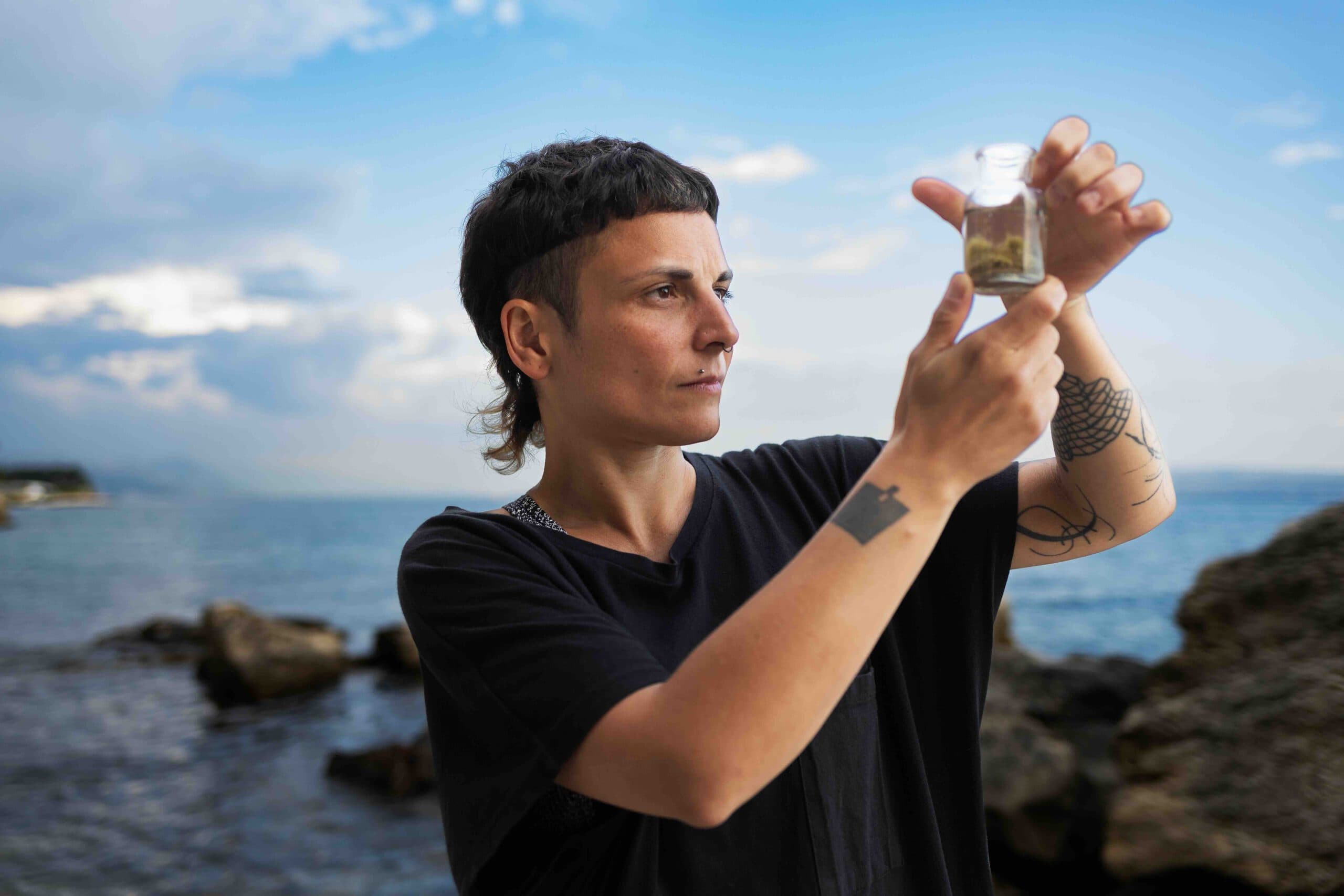
Fara Peluso is a bio-artist, bio-designer and researcher. With a strong interest in Biology, she pursues her deep research on algae taking constant inspiration from them, enquiring into their poetic and agency through a transdisciplinary and speculative methodology. Peluso wants to contribute to raise critical questions asking how the design of new and fictional artifacts through a speculative methodology can tell the story of possible future scenarios about the quality of our lives, attitudes and choices. She has been an academic associate at the HfG Karlsruhe (DE) researching on material design and remediation, and a member of DIY Hack the Panke (based at ALB) since 2018.
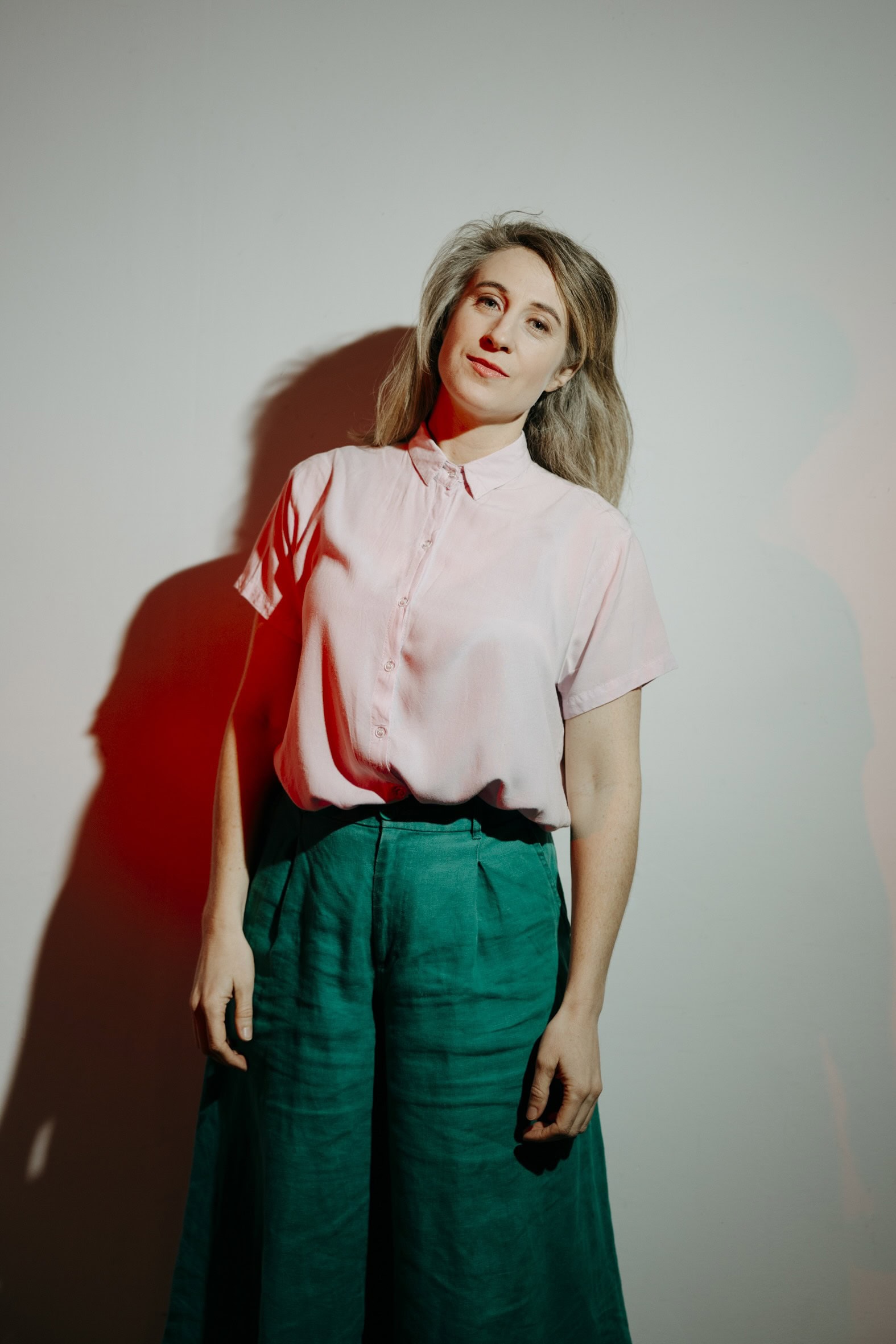
Jemma Woolmore is an interdisciplinary artist-researcher whose diverse practice spans installation, workshop, ritual, sound making and digital world-building as processes to foster new relationships between bodies and ecologies. Increasingly collaborative, her work makes cross-disciplinary connections across art, science, and policy with a particular focus on embodied and participatory strategies to think and move with pervasive chemical pollution. As a selected artist for the SciArt Project at the Joint Research Centre of the European Commission in Ispra, Italy, she collaborated with scientists and policymakers. Her artwork and performances are shown internationally.
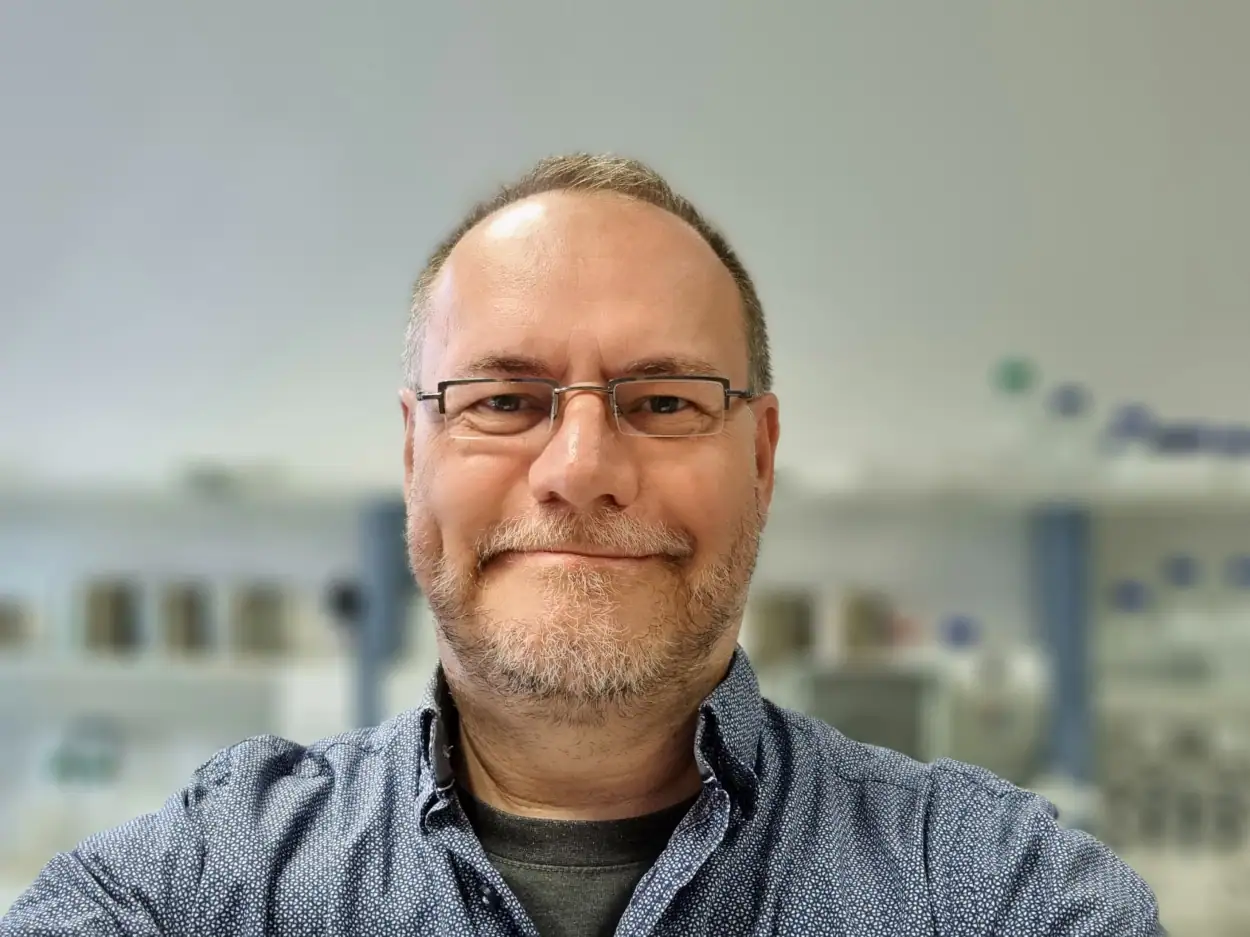
Prof. Dr. Matthias Rillig is a professor of Ecology at Freie Universität Berlin, where he leads the Plant Ecology lab at the Institute of Biology. His research is concerned with terrestrial ecosystems, and in particular with soil biodiversity and effects of global change on soils. Most work is done with fungi, including saprobic fungi and also arbuscular mycorrhizal fungi (which are symbiotic with plant roots). Matthias Rillig’s Substack platform The Ecological Mind is a vibrant, accessible space where he shares creative, deeply informed reflections on ecology, soil, biodiversity, and global environmental change, inviting readers into an ongoing, collaborative conversation about how we understand and visualize the human impact on our planet.
Venue
RILLIG LAB | Ecology of Plants
Institute of Biology, FU Berlin
Altensteinstraße 6, 14195 Berlin
Date and time
29 April 2026, 6 pm – 9:15 pm
First part: 6 – 7:30 pm Art Science TALKS (open to everyone)
Second Part: 7:45 – 9:15 pm Art Science BRAINSTORMING (open to artists and scientists)
REGISTRATION
Event is fully booked, the registration is now closed!
Free Entry.
CURATED BY
Regine Rapp, Christian de Lutz, Matthias Rillig
WITH ASSISTANCE BY
Amandine Hong-Minh, Giulia Marsigli
Cooperation partner
Supported by

Part of the research project:
Related
DIY Hack the Panke
- Art + Science Research Group
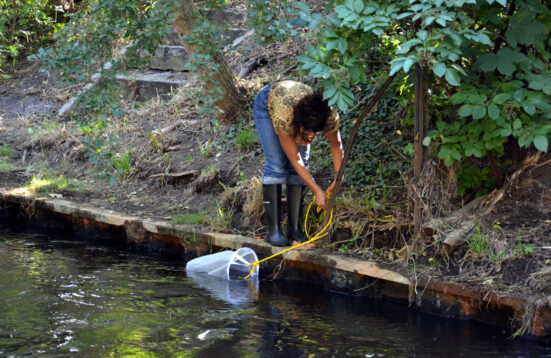
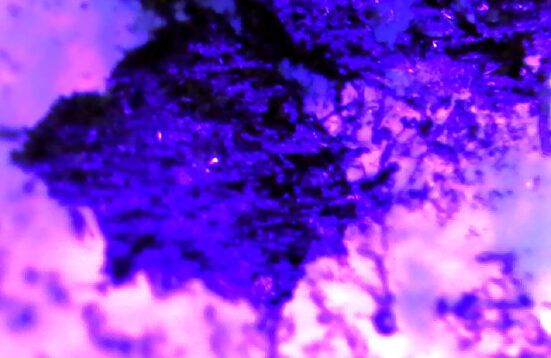
The art science group DIY Hack the Panke aims to explore the Panke river for living organisms and critically examine its complex history of human use. We offer public workshops on topics such as river flora, fauna and microbiology; bio matter as artistic research; microplastics and more.
Read more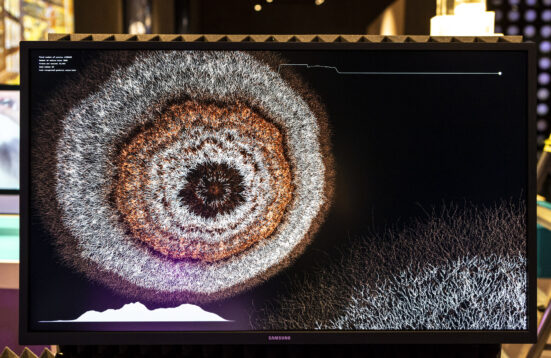
Mind the Fungi
- Art & Design Residencies
- Theresa Schubert | Fara Peluso
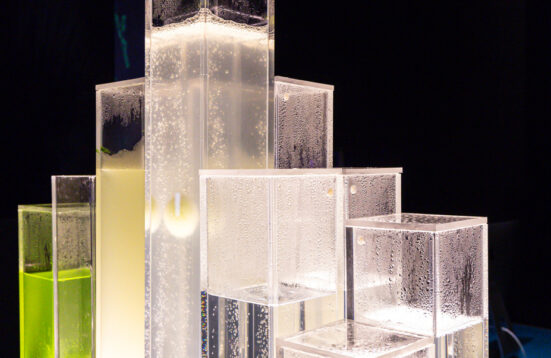
The second exhibition Mind the Fungi at Futurium presents the results of the Artist- and Design-Residencies with artist Theresa Schubert and artist designer Fara Peluso. Schubert studied the effects of sound on fungal growth. Peluso has done research on new biomaterials on the symbiotic basis of algae and fungi.
Read more
Embodied Methods to explore chemical relationships
- With Jemma Woolmore and Pati Masłowska
This is a workshop to share and develop ways of knowing our bodies and the chemicals inside them. Collectively we will explore embodied approaches using the senses, materials and movement to find different ways of knowing chemicals and their relationships with us.
Read more